Release of ‘The Hardest Bridge’
Over one hundred people from around the world joined the online release of the new film on 11 October. Howard Grace shares insights from this special event... and the link where it can be watched online for free!
The new film ‘The Hardest Bridge’ was released by zoom on 11 October, the eve of the anniversary of the Brighton bombing event which triggered all that has transpired in the lives of two people since then. Over one hundred people from around the world joined the event on-line. Many have since responded with comments such as, “The Premiere yesterday was deeply moving. I was silenced at the end and could not stir for sometime, just absorbing all that we had just seen and experienced, and it was an experience.”
Much could be written about the event. But the heart of it was captured by the keynote introduction given by Assaad Chafteri from Lebanon, Interim President of IofC International. In a deeply personal reflection, drawing from his own experience, he said, “Through this film, we are invited to confront one of humanity's most difficult questions, can we overcome hatred without denying the pain that caused it.“
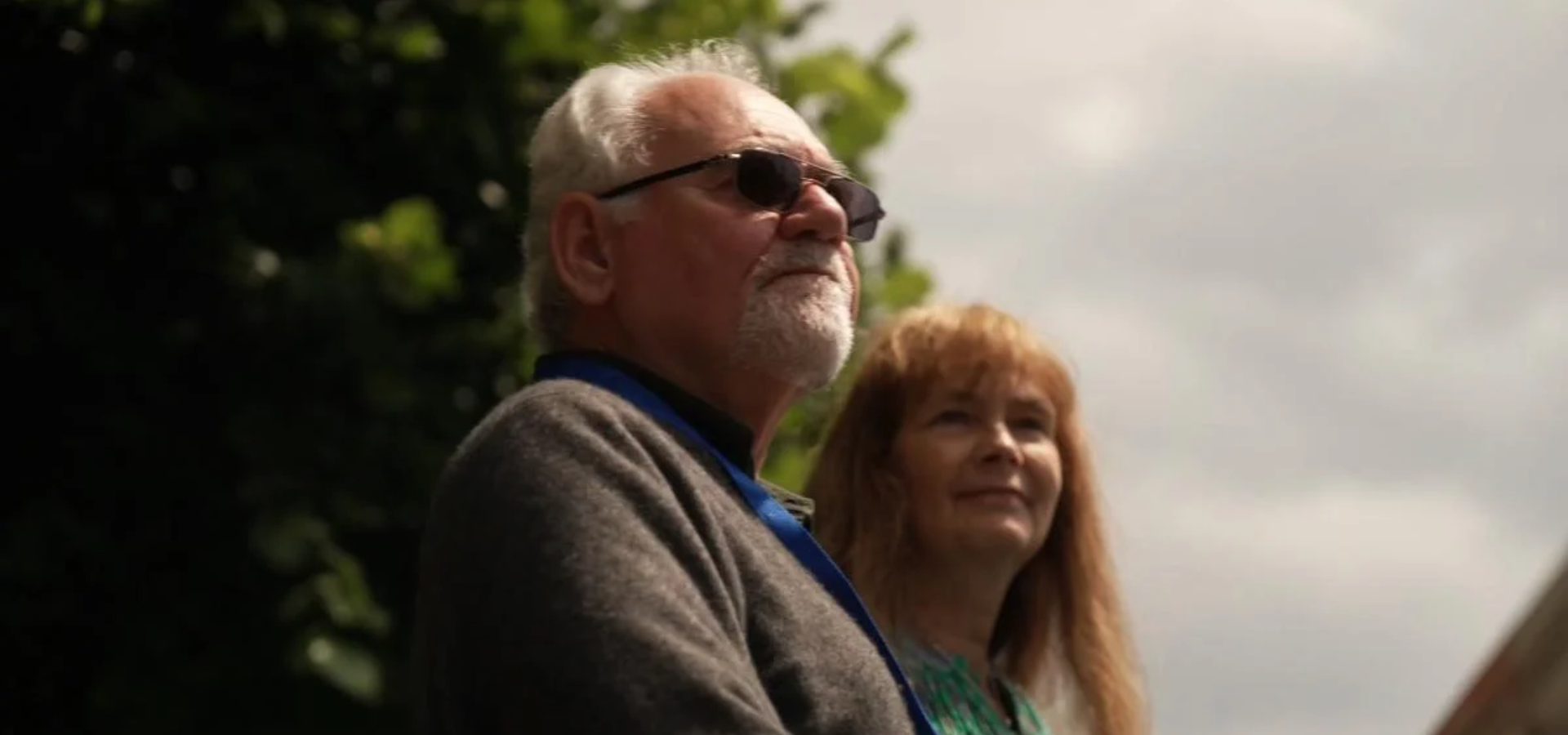
Jo Berry lost her father, Sir Anthony Berry, in 1984 in the Brighton bombing. Pat McGee was responsible for planting the bomb. Their past could have remained forever separated by grief, anger, and the desire maybe for revenge. Yet Jo took the initiative to contact Pat, and Pat agreed to meet her.
“But let us pause and recognise just how exceptional their courage was. Jo, you did something that goes against one of our deepest human instincts. The instinct to stand with our own in grief, to protect our wounded hearts, and to keep our distance from the person responsible for our suffering. You did not wait for Pat to approach you. You reached out to the man responsible for your father's death. In doing so, you swam against the mainstream. You chose to seek understanding rather than allow hatred to determine your future. That was not a rejection of your father or your family's pain. It was a courageous decision to seek something positive from a terrible tragedy.
“And, Pat, your courage deserves recognition too, to sit face to face with the daughter of the of the man whose death you have caused, to listen to her pain, and to acknowledge the human consequences of your actions required a profound confrontation with your past. Within your former circle and community, your willingness to meet Jo and pursue reconciliation could have been interpreted, and I'm sure it has, as a betrayal of the cause for which you had fought or of those who had shared your struggle. We cannot know how everyone around you perceived this decision, but we can recognise the courage required to cross that boundary and to encounter someone whom your former convictions had placed on the other side.
“That to me is the hardest bridge of all, not simply reaching across the divide between two opposing sides, but finding the courage to cross the boundaries imposed by our own communities, our own history, and even our own identities.”
The director of the film is my friend Dr. Imad Karam. Many of his close family have been killed in the bombing of Gaza while we have been making this film. One of my friends has just written following the premier, “I thought the links with the Gaza conflict were arresting [with glimpses of that flashing up towards the end], and Imad's opening remarks were extraordinary, about how it's affected him so deeply and personally, and how he almost gave up on the film. Goodness!”
Imad is a Palestinian Muslim. I, the executive producer, am an English, Christian, Quaker. It has been precious to work together in common cause with Jo and Pat who have been, and are on their own deeply transformative journeys. Jo’s final words in the film refer to our shared humanity. It is this spirit which we aim to foster through this film and in our shared commitment.
Howard Grace